Exploring Drone Education
Significance of Drone Education
- Improve Scientific and Technological Literacy
China enjoys a strong foundation for table tennis, just as the United States leads in aviation thanks to widespread public engagement. Scientific and technological advancement relies on public scientific literacy, and aviation stands as a core sector for both military and civil applications.
- Facilitate Knowledge Learning
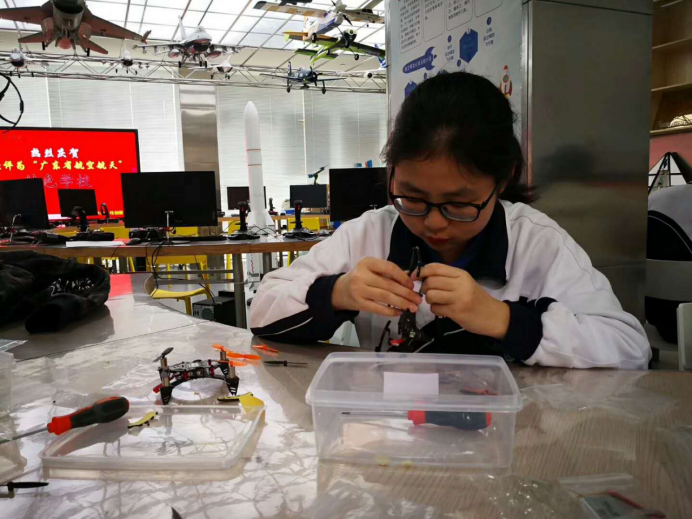
Drones turn abstract textbook knowledge into tangible practice. They involve mechanics, solid geometry, electronics, mathematics and more. Students can intuitively understand physical principles such as force direction, action and reaction via propeller operation.
- Upgrade Industrial Technical Application
Drones deliver remarkable value across industries. In agricultural plant protection, they enable modern farmers to spray pesticides and fertilizers efficiently, boosting crop yields, cutting chemical usage, reducing residue and improving soil conditions. Drones have also become an official event in international vocational skills competitions. Additionally, they play an irreplaceable role in mineral sample delivery, traffic security monitoring, power line inspection and other fields.
- Develop Competitive Sports
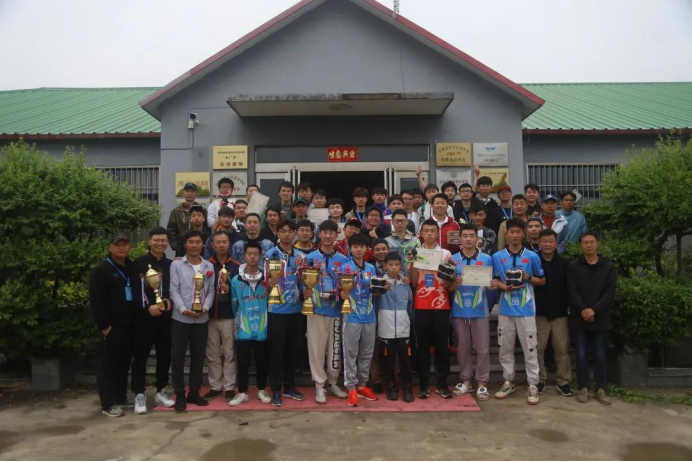
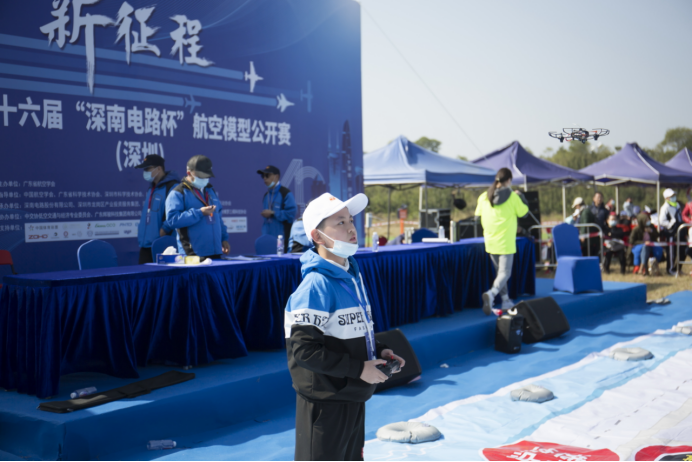
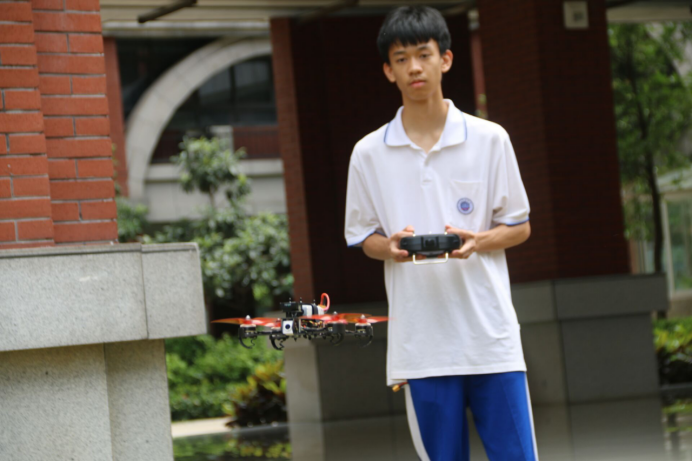
Known as the "Formula 1 of the sky", drone racing has gained global popularity. The World Drone Championships was held in Shenzhen in 2018, with participation from most developed countries in Europe and America. Drone events are held frequently worldwide, and drone sports have evolved into a well-received recreational activity.
Development of Drone Education
- Introduction to Schools
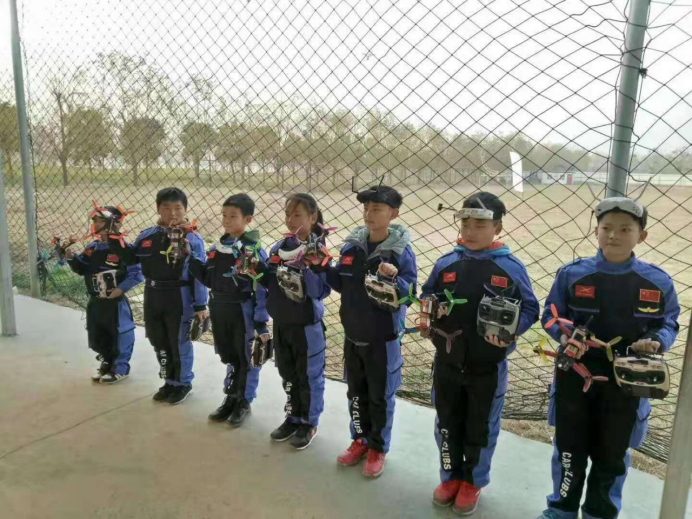
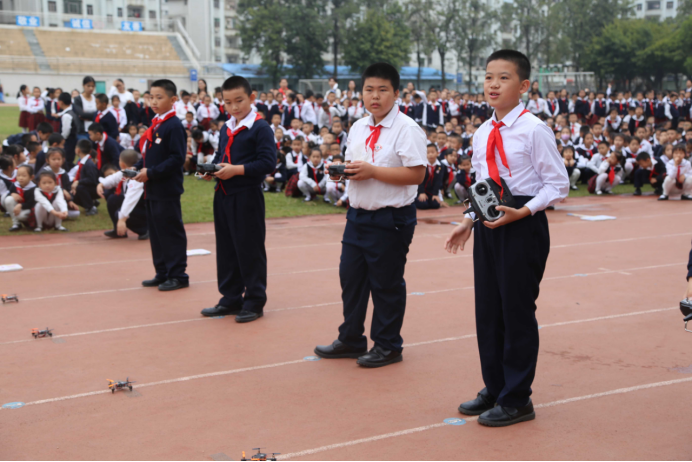
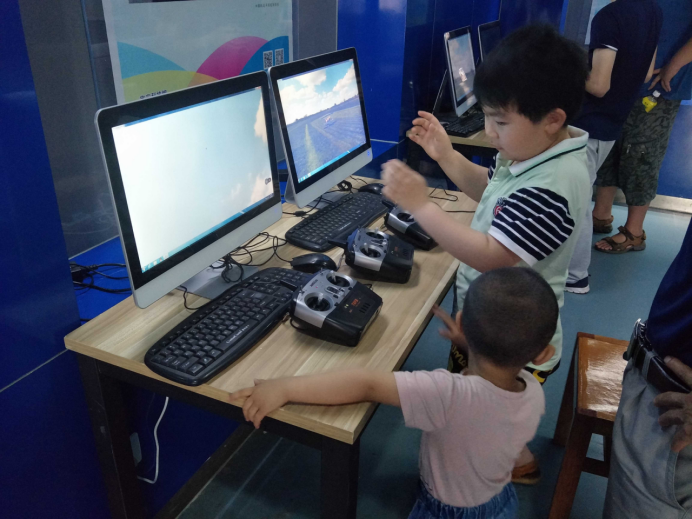
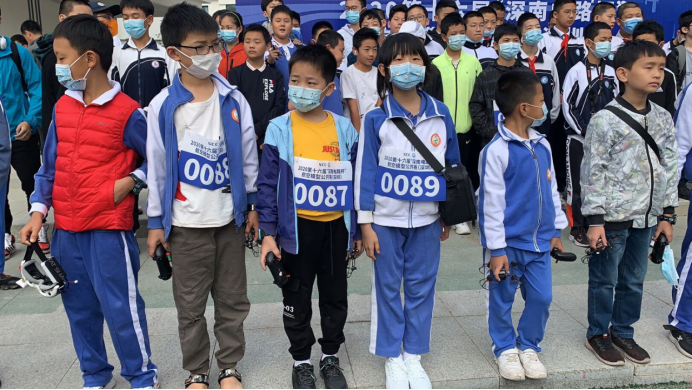
Since 2015, universities across China have launched drone-related majors one after another. Meanwhile, drone activities have been increasingly incorporated into science programs in primary and secondary schools.
- Social Training Institutions
A large number of professional drone training organizations emerged starting from 2015.
- Drone Competitions
Drone events boomed and reached its peak in 2016, stirring up a nationwide craze for drone flying.
- National University Competitions
Drone flying has developed from a hobby into a professional skill, recognized nationwide as a valuable personal competency.
- Vocational Skill Certification
From 2016 onwards, sports and human resources authorities in multiple provinces have hosted drone vocational skill competitions to promote industrial application.
Current Status of Drone Education
- Social Training
The initial enthusiasm for full-time drone training faded within a year. High costs, unsatisfactory teaching results and low recognition of certificates became prominent issues. Many trainees failed to operate drones independently even after obtaining certifications. Poor reputation led to a shrinking number of training institutions.
- Primary and Secondary School Education
Heavy academic pressure on students, schools' concerns over potential safety hazards and the absence of relevant assessment indicators have dampened promotion enthusiasm. The overall progress is slower than expected.
- University Education
The industry suffers from a severe shortage of professional teachers and standardized textbooks. Most graduates only master basic flying skills and lack practical expertise for other job roles.
- Decline of Racing Drone Events
FPV drone racing declined sharply after the 2016 peak. A manufacturer that shipped 8,000 units monthly in 2016 saw monthly sales drop to under 300 units by 2018. Racing drones are spectacular yet difficult to operate; many beginners crashed their drones on their first flight and eventually gave up.
- Restricted by Flight Sites
In developed cities, especially first- and second-tier cities, open spaces for flying are scarce. For instance, drone enthusiasts in Shenzhen used to fly in urban areas, but now they have to travel 40 minutes to Longgang, one hour to Dongguan, or even two hours to Huizhou. Public demand for recreational flying is severely constrained.
RadioLink’s Exploration and Achievements in Drone Education
- Uphold Commitment and Sustain Investment
As the drone market cooled down, many manufacturers cut R&D investment due to shrinking demand, which further dragged down market growth. RadioLink firmly believes that people’s passion for flight will always endure, and the drone application market will expand steadily with technological maturity. In recent years, we have increased investment in R&D and marketing, launched innovative products annually and actively participated in various drone-related activities.
- Target Pain Points and Conduct Technical Breakthroughs
High-speed racing drones are agile but hard to control, while consumer drones like DJI products are easy to fly but lack speed. After 5 years of development, we launched the Wolfpack high-speed GPS-enabled racing drone, which combines the easy operation of mainstream consumer drones and the high speed of racing models. We also released the F110S indoor tiny whoop drone with inertial navigation and altitude hold, allowing beginners to get started within 10 minutes, with steady sales growth. Our 3D fixed-wing drone with one-key hovering function enables flight in narrow indoor spaces, solving the problem of limited flight areas.
- Integrate Resources for Mutual Benefits
With 16 years of expertise in electronic and RC industries, RadioLink keeps upgrading core technologies. When most drone manufacturers lost confidence in 2018, we partnered with industry peers to launch complete drone sets, adopting components from our cooperative brands and conducting joint promotion to maximize benefits for all parties.
- Provide Comprehensive Technical Support and Training
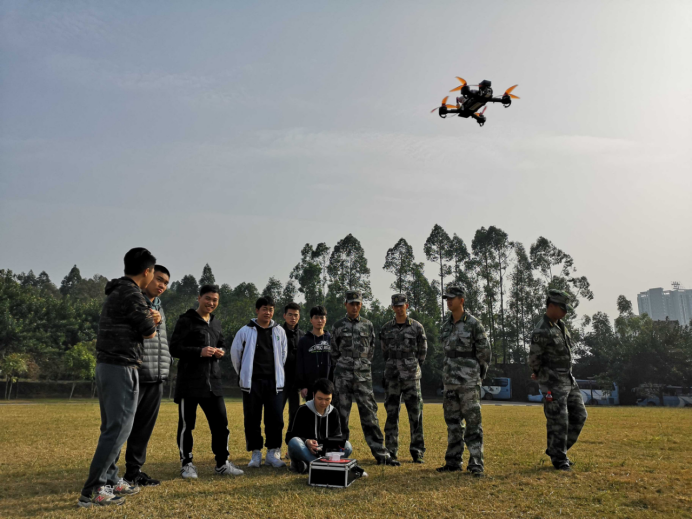
Drones have a higher technical threshold than ordinary electronic products. Beyond products and after-sales services, we offer continuous professional training for educational institutions. Most suppliers refuse to provide technical support for the open-source PIX flight controller due to its high difficulty, while RadioLink is currently the only manufacturer offering dedicated technical support for PIX series. We also keep optimizing user manuals based on feedback to lower the learning barrier.
- Pioneer Layout in the Education Sector
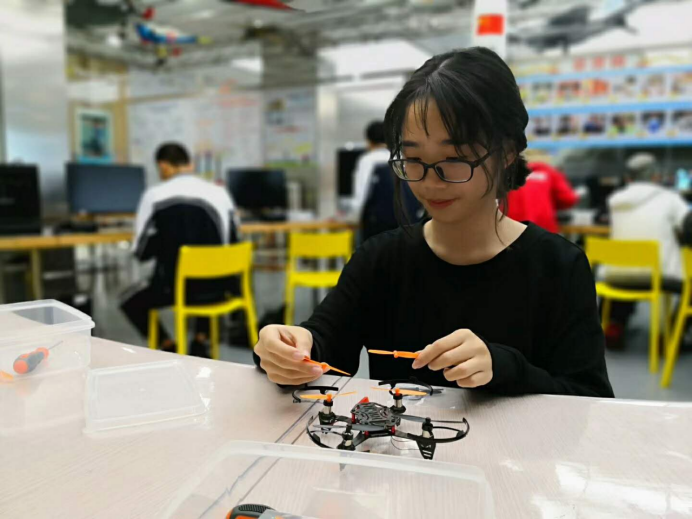
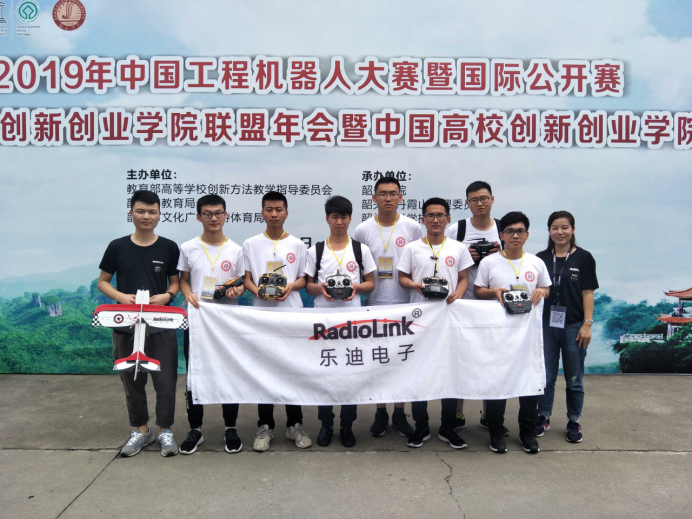
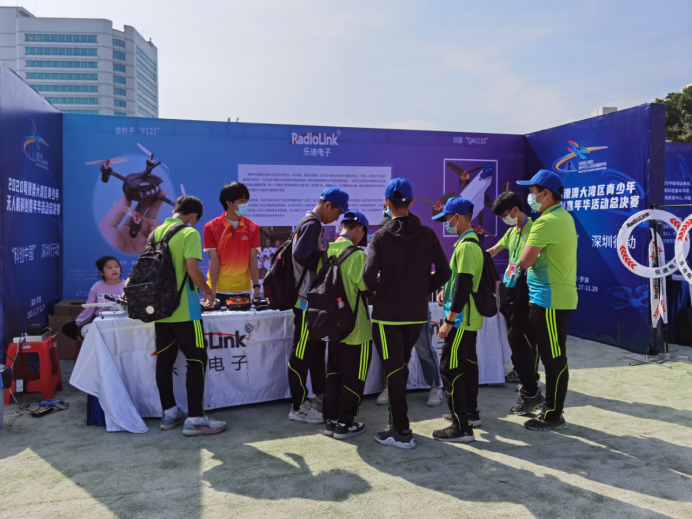
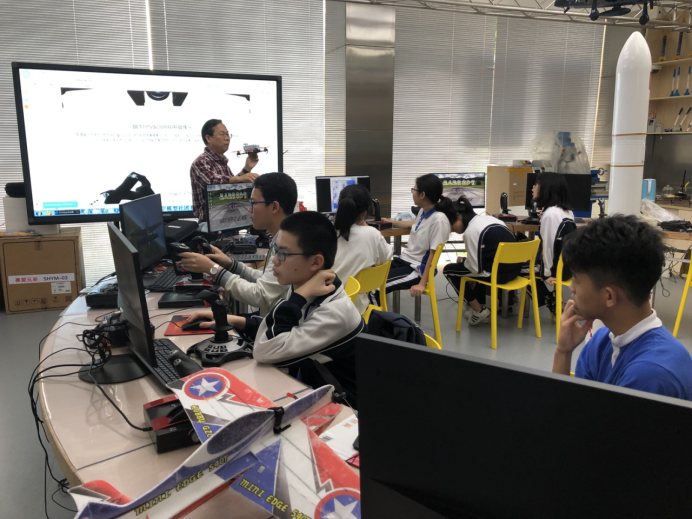
While most peers focused on racing events, RadioLink shifted more efforts to education starting from 2018. We developed education-oriented products and supporting course materials, took part in national university competitions, and delivered multiple on-site training sessions for primary, secondary schools and universities. A wide range of our products have been designated as official training and competition equipment by local schools.
- Develop Products Tailored for Education
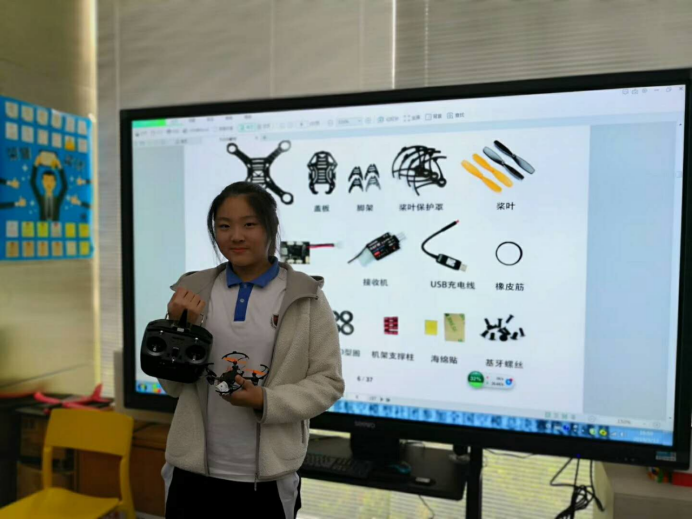
Product development in 2019 was mainly geared towards education. Our Scratch-programmable drone, designed to cultivate programming skills among primary and secondary school students, is currently undergoing intensive testing. We have also sorted out complete course materials, and delivered full training packages and assembly kits to schools.
- Diversified Layout for Steady Growth
Against the overall market downturn, our product upgrades and expansion into the education sector offset the decline of traditional businesses. Our market share in schools of all levels keeps rising. In the 2019 National Engineering Robot Competition for University Students, RadioLink transmitters were used by 70% of participants.